In today’s fast-changing digital world, businesses are no longer relying only on traditional marketing methods like print ads or billboards. Instead, they are turning to the internet — where their customers spend most of their time. This shift has made digital marketing one of the most powerful tools to promote products, build brands, and connect with audiences worldwide.
Whether you are a small business owner, student, or aspiring marketer, understanding the digital marketing fundamentals is the first step to building a strong online presence.
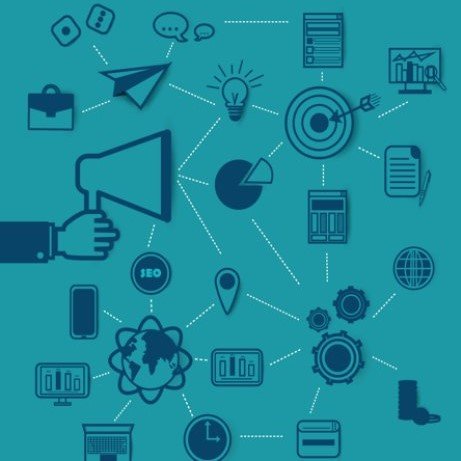
What Is Digital Marketing Fundamentals?
Digital marketing is the process of promoting products, services, or brands using online platforms such as search engines, social media, email, and websites. It allows businesses to reach their target audience instantly and measure the results in real time.
In simple terms, digital marketing helps you reach the right people, at the right time, with the right message — all through digital channels.
Importance of Digital Marketing Fundamentals
Here’s why digital marketing has become essential for every business:
- Global Reach – Your message can reach people across the world instantly.
- Cost-Effective – Online ads and campaigns are cheaper than traditional media.
- Measurable Results – You can track performance using analytics tools.
- Targeted Marketing – You can choose who sees your ads based on age, location, or interests.
- Better Engagement – Social media helps build direct connections with customers.
Key Components of Digital Marketing
Digital marketing is made up of several key components that work together to build a strong online strategy.
1. Search Engine Optimization (SEO)
SEO is the process of optimizing your website to rank higher on Google search results. It involves using the right keywords, improving website speed, and creating high-quality content to attract organic traffic.
2. Social Media Marketing (SMM)
SMM focuses on using platforms like Facebook, Instagram, LinkedIn, and Twitter to promote your brand, engage with followers, and drive traffic to your website.
3. Content Marketing
This involves creating valuable content — such as blogs, videos, and infographics — to attract and educate your target audience. Content builds trust and positions your brand as an expert in your field.
4. Email Marketing
Email remains one of the most effective marketing tools. It helps build long-term relationships with customers by sharing updates, offers, and personalized content directly in their inboxes.
5. Pay-Per-Click (PPC) Advertising
PPC campaigns (like Google Ads) allow businesses to display ads on search engines or social platforms and pay only when someone clicks on their ad. It’s a quick way to gain visibility and leads.
6. Affiliate Marketing
This method rewards individuals (affiliates) who promote a company’s products and drive sales through referral links.
How Digital Marketing Works
Digital marketing works by guiding potential customers through a sales funnel:
- Awareness – People discover your brand through SEO, ads, or social media.
- Interest – They learn more about your products through blogs or videos.
- Decision – They compare options and consider purchasing.
- Action – They buy your product or contact your business.
Each digital channel plays a role in this journey, ensuring that the customer moves smoothly from discovery to conversion.
Popular Tools for Digital Marketers
To succeed in digital marketing, you can use various tools that make your work easier and more effective:
- Google Analytics – Track website traffic and performance
- Canva – Design attractive graphics and posts
- SEMrush / Ubersuggest – Keyword research and SEO analysis
- Meta Business Suite – Manage Facebook and Instagram campaigns
- Mailchimp – Run email marketing campaigns
The Future of Digital Marketing
The future of digital marketing is exciting and fast-evolving. Emerging trends such as AI-driven marketing, voice search, short-form video content, and personalization are shaping how brands interact with customers.
As a digital marketer, staying updated with these trends helps you stay relevant and creative in your strategies.
Conclusion
Digital marketing is not just a skill — it’s the backbone of modern business growth. By understanding its fundamentals, you open the door to endless opportunities in brand building, content creation, and online advertising.
Whether you’re promoting a small business or creating your own personal brand, mastering the basics of digital marketing gives you the power to reach audiences, build trust, and drive real results.