In the vast ecosystem of digital marketing, success rarely comes from a single channel. Instead, it relies on a strategic mix of different disciplines that attract, convert, and retain customers. While there are many tactics available, four stand out as the foundational pillars for most businesses: SEO, SEM, SMM, and Email Marketing.
This article breaks down each of these acronyms, explains their unique roles, and illustrates how they work together to drive growth.
1. SEO (Search Engine Optimization): The Foundation of Visibility
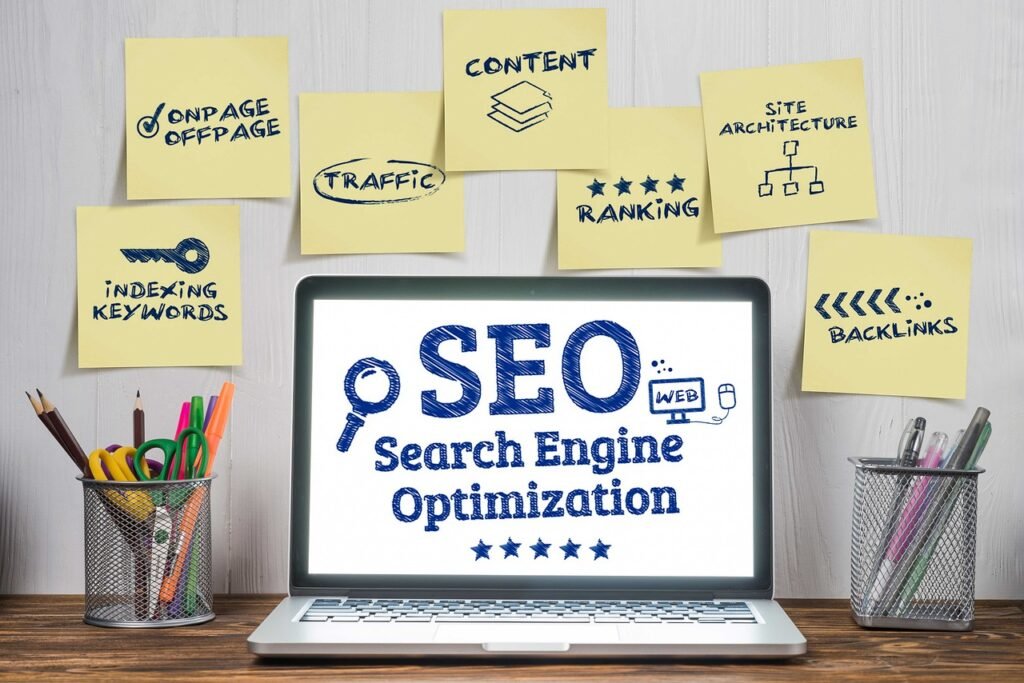
What it is: SEO is the practice of optimizing your website and content to rank higher in “organic” (non-paid) search engine results. It is about proving to search engines like Google that your content is the best answer to a user’s question.
Key Components:
- On-Page SEO: Optimizing individual web pages (keywords, meta descriptions, high-quality content).
- Off-Page SEO: Building authority through backlinks from other reputable websites.
- Technical SEO: Ensuring your site is fast, mobile-friendly, and easy for search engine bots to crawl.
Why it matters: SEO is a long-term investment. Unlike paid ads, traffic from SEO is “free” and sustainable. Ranking on the first page builds immense trust and authority with your audience.
2. SEM (Search Engine Marketing): The Accelerator
What it is: While SEO focuses on earning traffic organically, SEM focuses on buying traffic through paid search listings. The most common form is PPC (Pay-Per-Click), where advertisers bid on keywords (e.g., “buy running shoes”) and pay a fee each time their ad is clicked.
Key Components:
- Keyword Bidding: Competing against other advertisers for ad placement.
- Ad Copy: Writing compelling headlines and descriptions to encourage clicks.
- Landing Pages: The specific page a user lands on after clicking the ad, optimized for conversion.
Why it matters: SEM offers speed. While SEO can take months to show results, an SEM campaign can drive targeted traffic to your site the moment it is launched. It is highly effective for testing new products, promoting time-sensitive offers, or dominating search results for competitive keywords.
3. SMM (Social Media Marketing): The Conversation Starter
What it is: SMM involves using social media platforms—like Facebook, Instagram, LinkedIn, TikTok, and X (Twitter)—to connect with your audience to build your brand, increase sales, and drive website traffic.
Key Components:
- Organic Social: Posting free content (photos, videos, stories) to engage your followers and build community.
- Paid Social: Running sponsored ads to reach specific demographics outside your current following.
- Community Management: Listening to social conversations, responding to comments, and handling customer service inquiries.

4. Email Marketing: The Relationship Builder
What it is: Email marketing is the act of sending commercial messages to a group of people via email. It is typically used to nurture leads who have already expressed interest in your brand (e.g., by signing up for a newsletter or downloading a guide).
Key Components:
- Newsletters: Regular updates to keep your audience engaged.
- Drip Campaigns: Automated sequences of emails sent based on user actions (e.g., a “Welcome” series for new subscribers).
- Segmentation: Dividing your email list into smaller groups to send more relevant, personalized messages.
Why it matters: Email is the channel with the highest ROI (Return on Investment). Unlike social media, where algorithms dictate who sees your content, you own your email list. It is a direct line to your customer’s inbox, making it the most powerful tool for customer retention and repeat sales.

How They Work Together
The magic happens when these channels are integrated:
- SEO & SEM: You use SEM to get immediate traffic while your SEO strategy builds up over time. Data from your paid ads can tell you which keywords convert best, helping you refine your SEO efforts.
- SMM & SEO: High-quality content created for your blog (SEO) can be shared on social media (SMM) to drive traffic and attract backlinks.
- SMM & Email: You use social media contests or lead magnets to encourage users to sign up for your email list.
- Email & Sales: Once you have the lead from SEO, SEM, or SMM, email marketing nurtures that lead until they are ready to buy.
Conclusion
Digital marketing is not about choosing one of these channels; it is about understanding the role of each. SEO gets you found; SEM gets you found faster; SMM gets you known and loved; and Email Marketing keeps your customers coming back. A robust strategy leverages the strengths of all four to create a seamless journey for the customer.